Welcome and Introduction
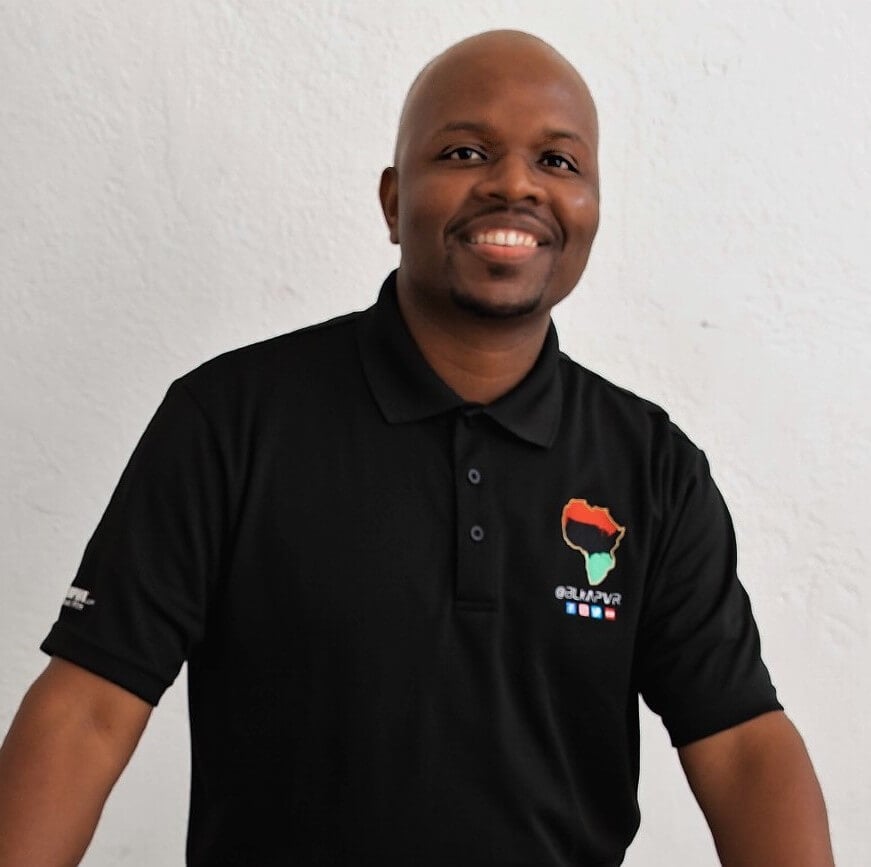
Taryell Simmons: Welcome, ladies and gentlemen, to another episode of Rise Urban Nation. I have a special guest this morning who gave me heart attacks. She may have had problems with her hair, but she had me having problems with my hair. I was about to pull my hair out, so I will need this product after we finish. The one and only Shalita Grant! You may have seen her from NCIS, and she is here to talk about her new venture. How are you doing this morning?
Shalita Grant: Thank you! I am great now, much better now.
Taryell Simmons: It was an adventure just getting on to this podcast this morning.
Shalita Grant: Not a lot of people know I am not very technologically inclined.
Taryell Simmons: Next time I do anything with you, I will get a virtual assistant to set you up first. Before we dive into the venture, what you have been through, and what you created, who is Shalita Grant?
Shalita Grant: Shalita Grant is a healer. She is funny, loves nature and animals, and loves people enough to know that she does not like them all. I think that is enough.
Taryell Simmons: Today she joins us as the founder and CEO of Four Naturals. How does a girl go from acting to creating a hair care company? Take us through that journey.
The Hair Trauma on NCIS and Somatic Healing
Shalita Grant: How I became a hair care founder after being an actress was actually through my acting career. I have typical African American hair. It is super dry, high porosity, and straightening it means immediate damage. In my career, my hair is part of the job. I did NCIS, and fans of Percy knew Percy's ponytail was different every episode. In order to get that ponytail, I had to go through extensions and wigs. The production did not want a super tight curl pattern, so finding hair that fit caused damage.
Shalita Grant: In season two, after two weeks shooting in chlorinated water, I had bald spots in the center of my head. In season three, I documented hair loss at my hairline. In season four, I was fighting severe hair loss and threatened baldness. I decided they could not touch my hair anymore. I put on a lace wig and quit the show to heal.
Taryell Simmons: Black Twitter was not kind about the wigs.
Shalita Grant: As a Black actress, when you quit because of friction, the threat is that you might never work again. But I am a Tony-nominated actress and Juilliard graduate, so I knew I would work again. I went into somatic trauma therapy because the damage affected my physical body and well-being. People on set were constantly blaming delays on my hair.
Shalita Grant: In 2019, after working recurring arcs on two shows, I decided to heal my hair. My grandmother has owned a hair salon, Hair Dreams 2 in Petersburg, Virginia, since before I was born. My mother and aunts were hairstylists. Hair is my family's business. Having been to the top of the mountain in Hollywood and walking down with damaged hair and bald spots, I realized no one was coming to save me. I had to solve the problem myself.
Research and the Creation of Four Naturals
Shalita Grant: In 2019, I researched plant medicine across India, Eritrea, Ethiopia, and Greece—non-white hair cultures with successful hair practices. I studied detangling, where salons consistently fail textured hair. In 2019, I created the Four Naturals treatment. Post-treatment, I shot an HBO Max pilot with my natural curls, starting with 13 inches of hair and leaving with 16 inches despite chemical treatments and flat ironing. I also did Abbott Elementary with my real hair. Since starting Four Naturals in 2019, I have been improving Black women's lives across the country.
Taryell Simmons: Why is textured hair such a big issue in Hollywood?
Shalita Grant: The Cosmetology Board teaches that hair is hair, focusing only on straight hair. When stylists lack training on textured hair, they rip clients' hair out. In Hollywood, department heads hire people they want to work with rather than stylists skilled in textured hair. On NCIS, the stylist assigned to me was a barber who used spirit gum from the theater. Hollywood reflects the same lack of textured hair education found in the real world.
Overcoming Childhood Instability and the Entrepreneurial Mindset
Taryell Simmons: Can you share your journey of starting a Black female-owned business and the challenges you faced?
Shalita Grant: My parents were teenagers when I was born, and my childhood was chaotic. My mother went to jail when I was five, and we moved constantly, attending six different elementary schools due to evictions and get-rich-quick schemes. That instability taught me to focus on one thing. In high school, I fought to audition for an arts school in Baltimore, which led to a scholarship at Juilliard.
Shalita Grant: When I healed my hair after NCIS, I felt a responsibility to share the solution. I researched business on YouTube and learned two fundamental rules: create a product that works, and build the logistics to deliver it. I also learned that constantly asking for money is often a sign of failure. I decided to bootstrap the company using my acting income.
Shalita Grant: At a 2022 trade show beauty brunch, an entrepreneur bragged about raising $500,000 without having inventory or a viable product. Hustle culture often breeds scammers who prioritize appearing successful over building real value. Instead of raising money and burning capital, I focused on client experience, perfecting formulations, and building sustainable infrastructure.
Shalita Grant: I hired a business coach who taught me to ask who not how, and to evaluate how people execute. That discipline saved me from wasting thousands of dollars on ineffective consultants. Bootstrapping forces you to make careful, sound business decisions because every dollar counts.
Patenting the Henna Mud Mask and the Future of Hair Care
Taryell Simmons: How did you create the patent-pending Four Naturals treatment, and why is it the future of Afro-textured hair?
Shalita Grant: I consulted a patent attorney and protected the intellectual property for my Henna Mud Mask and detangling method. That patent protects me from larger corporations like L'Oreal replicating my work. With lawsuits surrounding traditional chemical relaxers, salons need healthy alternatives. Four Naturals is a plant-based treatment made with ingredients like henna, amla, shikakai, and aloe inspired by Ayurvedic hair traditions.
Shalita Grant: The treatment strengthens hair, defines curls, and allows seamless transitions between straight styles and natural curls without chemical damage. During testing with clients, women experienced not only healthy hair, but freedom from anxiety, newfound confidence, and liberation from anti-Black hair stigmas.
Taryell Simmons: What is your vision for the future of Four Naturals and the industry?
Shalita Grant: My dream is for Four Naturals to be offered in hair salons everywhere so Black individuals can receive pain-free, professional textured hair care anywhere in the world. I want Black women to travel effortlessly without packing suitcases full of hair products. Men can also use it for beard care.
Taryell Simmons: Where can people find you and Four Naturals?
Shalita Grant: You can find more information, videos, and products at https://www.fournaturalshair.com.
Taryell Simmons: Any final words of wisdom?
Shalita Grant: Your differences are your superpower.