Introduction & Welcoming Dr. Pamela Buchanan
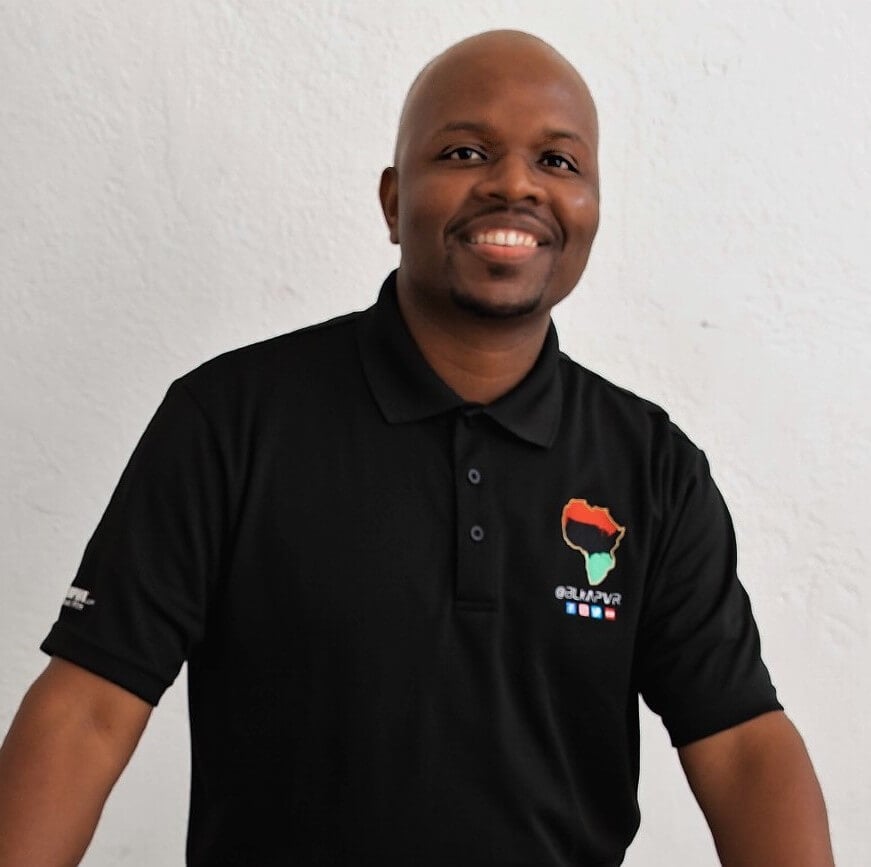
Taryell Simmons: Welcome back to another episode of Rise Urban Nation. I'm your host, Terrell Simmons. Today's episode is for anyone juggling the demands of entrepreneurship, leadership, and life while trying to stay healthy and sane. Are you burning the candle at both ends? Wondering how self-care can actually make you more profitable and fluid? Today's guest has the answers. Joining us is Dr. Pamela Buchanan. I am excited to have this conversation because leaders have been feeling burnout. Dr. Pamela is a TEDx speaker, physician, and mental health advocate on a mission to help people prioritize self-care, overcome burnout, and live healthier, happier lives. Dr. Buchanan's story will inspire you, and her wisdom will give you tools to make self-care a priority today. Welcome to the show. How are you today?
Dr. Pamela Buchanan: I'm doing great. I couldn't have asked for a better intro. I appreciate that.
Taryell Simmons: You were invited to the show by Rodney, who appeared a couple of episodes ago. He told me I had to interview you. How did you and Rodney meet?
Dr. Pamela Buchanan: Rodney is great people. We were in a speakers workshop honing our craft, and across the room, we hit it off within five minutes. He calls himself the Magnetic Leader, and you are drawn to him. He is pure of heart, good spirit, and the kind of person you want in your network.
Taryell Simmons: We were talking in the green room, and he had that magnetic energy. When we first connected, the conversation was easy like Sunday morning. We almost talked too long after the meeting, so I knew connecting with someone from him would be great. Where are you joining us from?
Dr. Pamela Buchanan: From St. Louis, Missouri—the Show-Me State. I'm from the Loop and proud of it.
Taryell Simmons: I went down to see the Arch when I was in the Lou two months ago. Next time I come out there, show me where all the good food is, especially on the north side.
Dr. Pamela Buchanan: That's right. You have to hit the local spots where mom and pop are cooking in the kitchen.
Journey into Medicine and Representation in Healthcare
Taryell Simmons: Tell us about your background. You have had an impressive career as a Black physician working in the emergency room. What inspired you to get into medicine and ultimately become a strong voice for self-care and mental health?
Dr. Pamela Buchanan: Growing up as the youngest of seven, I wanted to be a doctor from about twelve years old. My pediatrician was a Black doctor who was caring and nurturing. She poured into me, telling me I was smart and could become a doctor. Only six percent of doctors are Black. Growing up poor, I wanted a better life, and since I was good at math and science and loved helping people, it was a natural progression.
Taryell Simmons: Black women were historically at the center of healthcare as midwives and doulas, caring for our community and others, until modernization pushed many out. We need Black women back in that space.
Dr. Pamela Buchanan: When there were doulas and midwives, birthing outcomes were better because childbirth carries serious risks. Right now, America has a poor maternal mortality rate compared to other developed nations, and it is twice as high for women of color dying during childbirth or from complications within a year, such as pregnancy-induced cardiomyopathy.
Taryell Simmons: How have your personal experiences as a Black woman shaped your focus on health and wellness?
Dr. Pamela Buchanan: We need to be more proactive in prevention. You need to stay well so you don't have to get well, because accessing the healthcare system can be dangerous, especially for Black people. In my practice, I listen to the whole person without judgment. Every patient matters, and no one is better than another.
Frontline Trauma, Pandemic Burnout, and the Emotional Flatline
Taryell Simmons: In your TED Talk, you spoke about realizing self-care was essential. Could you share that story?
Dr. Pamela Buchanan: Doctors are often the worst at taking care of themselves, pouring into others until they run ragged. The average life expectancy of an emergency room doctor is fifty-seven years old. I recently lost colleagues who died suddenly on shift or in call rooms. During the pandemic, I worked constantly in both hospital and rural satellite emergency rooms that were completely overwhelmed. We witnessed unprecedented death, which takes an emotional toll. I realized I was despondent, experiencing trauma from hearing continuous heart monitor flatlines, and feeling severely depressed and suicidal. A colleague died by suicide during that time. I was experiencing an emotional flatline where my mind felt as though it had stopped.
Taryell Simmons: That echoes the experience of many Black mothers who care for everyone before themselves. You must put your own oxygen mask on first, because if you pass out, you cannot help anyone else. What was one of your most challenging moments during that period?
Dr. Pamela Buchanan: The most challenging aspect was navigating the uncertainty of COVID-19 protocols while facing overt racism from patients. While trying to save lives during peak racial tensions, I experienced intense racial hostility and slurs from patients who were COVID deniers. In one instance, a severely ill patient hurling racial slurs was treated and stabilized. When he apologized on his way to the inpatient floor claiming that wasn't who he was, I told him he needed to do better. I chose not to hold that negativity in my body because carrying that stress is harmful.
The Weathering Effect, Stress, and Holistic Health
Taryell Simmons: How can people avoid internalizing stress so they can weather the storm physically, mentally, and emotionally?
Dr. Pamela Buchanan: In my book, I explain how lacking self-care and suppressing emotions causes physical illness. Many women, particularly Black women, carry genetic predispositions to autoimmune diseases like rheumatoid arthritis and lupus. These genes are activated by the weathering effect of chronic stress, sleep deprivation, and the double shift of working full-time and managing household responsibilities. Additionally, workplace microaggressions take a physical toll. I encourage speaking truth to power with elegance and respect rather than remaining silent. Practicing assertive communication relieved my joint pain without medication. Furthermore, it is essential to eat real, unprocessed food, drink water, prioritize mental health, and exercise regularly despite community barriers like food deserts and lack of walkable spaces.
Taryell Simmons: We have to be intentional about self-care because it is an essential necessity rather than a luxury.
Dr. Pamela Buchanan: Self-care is essential. We need to normalize wellness because systemic structures often promote poor health.
Taryell Simmons: Learning to communicate assertively and setting clear boundaries are powerful tools for self-preservation.
Dr. Pamela Buchanan: Healthy boundaries are non-negotiable. I do not apologize for declining social events when I need rest after a long work week.
Work-Life Harmony and Daily Productivity Strategies
Taryell Simmons: What practical strategies do you recommend for entrepreneurs and leaders to reduce burnout and improve well-being?
Dr. Pamela Buchanan: Wealth should buy back your time so you can live on your terms. Rather than rigid balance, aim for work-life harmony, acknowledging that some periods require heavy work while others demand complete rest and disconnected time.
Taryell Simmons: Can you share an example of how work-life harmony works in practice?
Dr. Pamela Buchanan: I used to take on excessive emergency room shifts until my body developed severe joint pain. I sought coaching, reassessed my priorities, and established clear boundaries. Inspired by the book The One Thing, I dedicate the first few hours of my day to high-priority creative work when my mental energy is highest. I organize my week thematically: Mondays for meetings, Tuesdays for social media, and Wednesdays for emergency room shifts. I no longer work weekend ER shifts, reserving my energy for speaking, teaching, and clinical work I genuinely enjoy.
Taryell Simmons: What advice do you give to caregivers and mothers who feel guilty about prioritizing themselves?
Dr. Pamela Buchanan: Remember the oxygen mask analogy. If you do not secure your mask first, you cannot protect your children. Prioritizing routine checkups, nutrition, and rest ensures you have the energy to pour into others without burning out.
Taryell Simmons: What is the biggest lesson you have learned about self-care and success?
Dr. Pamela Buchanan: Self-care is non-negotiable. Dying patients never express regret about not working more or earning more money; they wish they had more time. Prioritizing wellness increases productivity and profitability because operating with focused morning energy yields greater results in less time.
Preventive Healthcare, Lifestyle Changes, and Overcoming Overwhelm
Taryell Simmons: Our society often forces unsustainable work habits rather than honoring natural productive rhythms. What advice do you offer to overwhelmed entrepreneurs trying to do everything themselves?
Dr. Pamela Buchanan: Trying to do everything is an illusion. Operate within your zone of genius and delegate the rest. Utilize virtual assistants and artificial intelligence tools for administrative and scheduling tasks, and build scalable systems, such as turning repeated presentations into pre-recorded courses.
Taryell Simmons: Tell us about your book, your business, and your future initiatives.
Dr. Pamela Buchanan: I teach self-care courses and authored a book addressing the urgent need for personal wellness. American healthcare operates as a reactive sick care system focused on chronic disease management rather than root-cause prevention. Conditions like obesity drive widespread inflammation, arthritis, diabetes, and heart disease. True health requires lifestyle changes, whole foods, and candid medical discussions. I source nutrient-dense food directly from local farmers to support vitality.
Rebuilding Community Support and Living Your Priorities
Taryell Simmons: Rebuilding community support systems is crucial for sustaining wellness. How can our community reshape the narrative around strength and self-care?
Dr. Pamela Buchanan: We must reconnect, fellowship, and openly share wellness strategies with family and friends. Establish clear life priorities. For me, faith and family come first, allowing me to protect key moments like attending my son's soccer games and academic milestones.
Taryell Simmons: Faith combined with proactive action creates lasting health. Dr. Buchanan, where can listeners connect with you and learn more?
Dr. Pamela Buchanan: You can visit https://DrBeStrong.com and https://StrongMedicineSTL.com, or connect with me on LinkedIn to receive my newsletter.
Taryell Simmons: Thank you, Dr. Buchanan, for reminding us that self-care is essential for sustaining our families, businesses, and communities. Be sure to like, share, and subscribe to Rise Urban Nation.