Introduction and Welcome
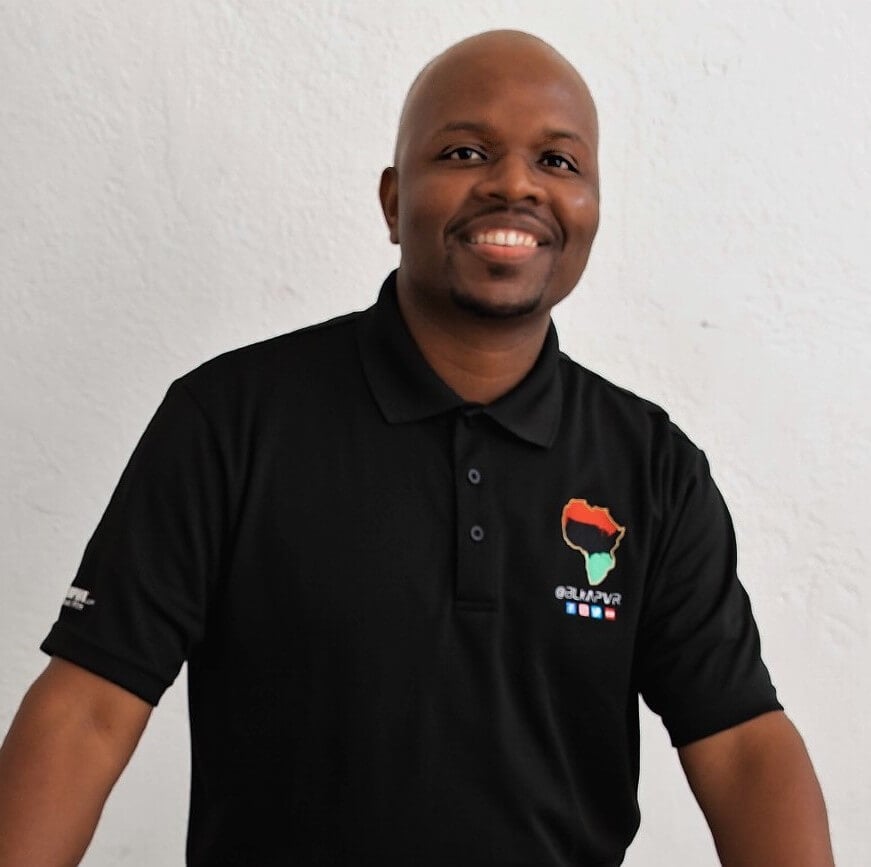
Taryell Simmons: Welcome ladies and gentlemen to another episode of Rise Urban Nation. It's your host, Taryell Simmons, in the building. I have a special guest with us today. He has his Obama blue on and came ready to do business. Mr. Maurice Williams of Always Ready, how are you doing today, sir?
Maurice Williams: Mr. Taryell, I am blessed and so happy to be here. This is an honor and a privilege on behalf of Always Ready. We thank you so much for taking time out of your busy schedule to talk with us.
Taryell Simmons: It is an absolute pleasure. For those who follow us on social media, you saw the honorary award Rise Urban Nation received earlier this year at your wonderful gala. Let's take people down memory lane. Tell everyone how we first met.
Maurice Williams: We met at the Career Center off University Avenue when you were working with youth at Connect2Careers, and I was working with Ms. Deonna Dorsey at KRA. I started as a career agent before being recruited to become a business services representative.
Taryell Simmons: Ms. Deonna Dorsey is truly a local treasure along with you here in San Diego. I remember meeting you and seeing how dedicated you were to community employment and getting people real jobs.
Maurice Williams: You spoke at our first Love for the Community gala and the Terrence L. Lee scholarship launch. You were our inaugural speaker, setting a standard of excellence. Our relationship is built on mutual respect and genuine relationship building, which has remained the cornerstone of our work with employers and job seekers.
The Origins and Mission of Always Ready
Taryell Simmons: Tell our audience about Always Ready. How did the vision, the name, and the organization come to life?
Maurice Williams: When I was stationed in Virginia with the Navy and made Chief, during physical training the cadence call was, “Are you ready?” and the East Coast response was, “Always ready.” That phrase stuck with me because it represents a need met with an immediate response. After retiring in 2013, I transitioned into social services. By 2016, the vision for Always Ready was constantly on my mind. I partnered with my co-founder, Terrence L. Lee, and we signed our Articles of Incorporation in 2017 while he was in the hospital. Sadly, Terrence passed away in January 2018. Despite the grief, I persevered, and on July 3, 2019, Always Ready officially became a recognized 501(c)(3) nonprofit organization.
Taryell Simmons: What core services and populations does Always Ready focus on?
Maurice Williams: Always Ready serves underserved individuals who are unemployed or underemployed. Our mission focuses on three primary groups: veterans, justice-impacted individuals, and the unhoused. Having experienced all three situations myself, I understand their unique hurdles. We also support women on a case-by-case basis. We provide comprehensive workforce development, gently used and brand new professional attire, supportive services, job matchmaking, wage reimbursement coordination, fidelity bonding, Schedule A disability advocacy for government employment, and peer-to-peer mentoring.
Addressing Veteran Employment Barriers
Taryell Simmons: Many people assume veterans have an easy time finding high-paying civilian jobs due to their service. What challenges do veterans actually face when separating from the military?
Maurice Williams: Transition programs like TAP and RETAP often provide minimal real-time community advocacy. Many separating service members struggle with career navigation. Employers often fail to understand military acronyms and terminology. For instance, being an Aviation Ordnanceman bomb specialist demonstrates high-level confidentiality, material stewardship, and information security, but civilian hiring managers struggle to connect those skills to corporate roles. Additionally, some civilian employers fear high-ranking veterans might disrupt organizational hierarchies or command too much authority.
Taryell Simmons: There needs to be better education and synchronization so employers recognize the extraordinary leadership, adaptability, and efficiency veterans bring to the table.
Maurice Williams: When I retired after 20 years, my resume was 13 pages long because I did not know how to consolidate my service records or optimize for applicant tracking systems. I managed personnel and training records for 2,300 sailors on the USS Ronald Reagan, yet civilian screeners rejected my applications because I lacked specific civilian certifications like SHRM. Service members must learn how to translate their electronic training jackets into concise civilian resumes using tools like O*NET and military skills translators.
Maurice Williams' Career Journey
Taryell Simmons: What was your very first job, and what was your first job after leaving the military?
Maurice Williams: My first job was at age 17 when I was experiencing homelessness in high school. I pushed grocery carts for five hours and was paid three dollars. My first role after retiring as a Navy IT Chief was serving as a business manager at a Volunteers of America treatment center. I later became an employment case manager at ResCare, assisting refugee communities and families on cash aid through welfare-to-work programs. From there, I joined KRA as a career agent and was promoted to business services representative, successfully placing clients through on-the-job training and subsidized employment programs. Eventually, I transitioned to Second Chance to focus entirely on justice-impacted individuals.
Advice for Community Leaders and Closing
Taryell Simmons: What advice do you have for aspiring leaders who want to start a nonprofit or work in community development?
Maurice Williams: Surround yourself with mentors who push you, limit negative influences, and maintain uncompromising integrity. Do not enter this field for money; do it genuinely for the people. Identify where the service gaps are and start doing the work immediately. You do not need an official nonprofit status to begin helping people and making referrals. Register your organization name at the local registrar, build authentic relationships, and remain committed to your purpose.
Taryell Simmons: What upcoming initiatives are you working on, and where can listeners connect with you?
Maurice Williams: We are planning an upcoming men's conference and actively hosting clothing drives for professional attire. You can connect with us online at https://alwaysreadysd.org or reach us via email at [email protected].
Taryell Simmons: Maurice, thank you for sharing your inspiring journey, your wisdom, and the impactful work you are doing in San Diego. We celebrate you and give you your flowers today.
Maurice Williams: Thank you, brother. Stay blessed.