Introduction and Meaning Behind the Name
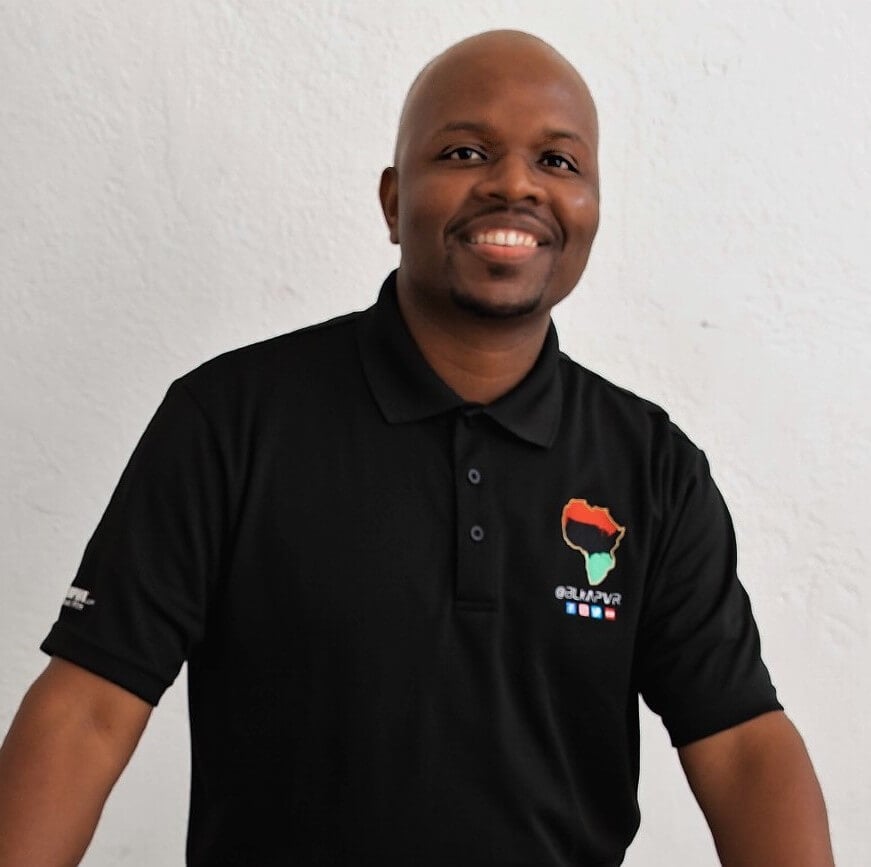
Taryell Simmons: Hello, ladies and gentlemen, and welcome back to the Rise Urbanation podcast, the show that deep dives into the heart of creativity. I am your host, Taryell Simmons. Today I have a distinct and special guest, a multidisciplinary artist whose work transcends boundaries and tells profound stories, joining us from the vibrant art scene of Rwanda: Louis Manishimwe. He is an art teacher and the creative mind behind the captivating Divine Feminine exhibition. Louis, it is great to have you on the show. How are you today, my brother?
Louis Manishimwe: I am good. It is an honor to be here. I have been looking forward to this conversation for days, and I can truly feel the positive energy.
Taryell Simmons: Tell us about your name. Being Nigerian, my African name is Adekunle, which means wealth surrounds you. African names carry deep meanings. What is the story and meaning behind your name?
Louis Manishimwe: My name is Louis Manishimwe, and in Kinyarwanda, Manishimwe means 'Thank God.' I was born in 1994 during the genocide in Rwanda. Many infants lost their lives during that period, but through God's grace, I survived. Even though my father and many family members were killed, my mother named me Manishimwe to thank God for sparing my life.
Taryell Simmons: That is powerful. My grandfather used to say that any day above ground is a good day. It is about gratitude and making the most of life. You also had a unique upbringing. Tell us about your childhood and transition into adulthood.
Louis Manishimwe: During the genocide, my father, aunts, uncles, cousins, and two siblings died. I was left with my mother and four siblings. Growing up with a mother who carried the deep trauma of losing so much was not easy. That adversity pushed me to become someone meaningful. While my mother lives in the countryside and cannot always attend my exhibitions in Kigali, knowing the struggles she overcame continues to motivate me.
Taryell Simmons: You have channeled that pain and complexity into powerful art. You are making your ancestors proud. What initially drew you to the world of art?
Artistic Awakening, Memory, and Nyundo Art School
Louis Manishimwe: During the chaos of the genocide, our family lost all our belongings, including every photograph of my father, aunts, uncles, and cousins. Growing up, I never knew what my father looked like. As a child, I realized I had a talent for drawing. I believed that if I mastered portraiture, I could bring my lost loved ones back to life on canvas. After primary school, I insisted on attending Nyundo Art School in Rwanda's Western Province. My mother was hesitant because of the distance, but I was determined. I worked relentlessly to master figurative drawing so I could reconstruct my family's faces.
Taryell Simmons: That is a remarkable story. How did your education at Nyundo Art School shape your artistic development?
Louis Manishimwe: Arriving at Nyundo was a dream come true. On our first day, they gave us a math test, which surprised me because I was eager to jump straight into advanced art techniques! But once we began our artistic training, living among fellow artists and exchanging stories provided tremendous growth. It shaped me into the dedicated artist I am today.
Taryell Simmons: I can relate to that passion. Growing up, I loved drawing and blending pencil shades, but traditional African parents often push for professions like medicine, law, or engineering. I am glad you pursued your calling.
Ancestral Connections and African Masks
Taryell Simmons: Tell us about the painting behind you and your ongoing project, Distance Between Us.
Louis Manishimwe: Many traditional depictions of saints portray white figures who do not know my specific culture or history. I believe my father, grandfather, and ancestors are my true saints because they know my journey and can advocate for me before God. In my project, Distance Between Us, I blend portraits of people with traditional African masks. The masks represent my departed ancestors, maintaining our spiritual connection and honoring their ongoing presence in my life.
The Divine Feminine and Materiality
Taryell Simmons: You were featured in East African Magazine for your exhibition, The Divine Feminine. What inspired that body of work?
Louis Manishimwe: Being raised in a home with my mother, two younger sisters, and older sisters showed me firsthand how powerful women are. Single mothers carry extraordinary burdens—raising multiple children, providing food, and paying school fees often without steady employment. I created these paintings to celebrate their divine strength, perseverance, and sacrifice. They are true guardian angels.
Taryell Simmons: You use a diverse range of mediums in your work, from aluminum foil and wood to sand and tire strips. What draws you to such varied materials?
Louis Manishimwe: You do not need expensive or imported materials to create meaningful art. The best story to tell is the one closest to you, using the materials within your immediate reach. Whether using markers, sand, wood, ceramics, or sculpture, I use whatever is accessible to communicate the story. There are no excuses when creativity surrounds you.
Cultural Symbolism and the Role of Poetry
Taryell Simmons: Your exhibition features rich symbolism, including butterfly wings and traditional drums. What do these symbols represent?
Louis Manishimwe: Butterfly wings symbolize the hidden, transformative power of women that often goes unnoticed by society. The traditional drums represent Rwandan cultural heritage—reminding us that after hardship and struggle, our culture comes together through music, dance, and joyful celebration.
Taryell Simmons: How does poetry intertwine with your visual art?
Louis Manishimwe: Because I cannot always be physically present at every exhibition, I compose poems and written reflections to accompany each artwork. This allows visitors to understand the underlying narrative and emotional depth directly from the artist's perspective.
Rwandan Art Scene and Future Projects
Taryell Simmons: How has your work been received locally and internationally?
Louis Manishimwe: Rwanda is approximately thirty years into rebuilding after the genocide. While international visitors often purchase contemporary art, the local younger generation is increasingly appreciating Rwandan art and cultural expression. Art preserves our history, and seeing young people embrace it gives me great hope for the future.
Taryell Simmons: What projects are you currently working on, and what can we expect next?
Louis Manishimwe: I have several projects underway: touring a theater production, expanding the Distance Between Us painting series, launching a crochet collaboration with single mothers in January, and developing an autobiographical film titled Visage de Mon Père (Face of My Father), which will shoot at Nyundo Art School.
Taryell Simmons: Where can listeners find your work online?
Louis Manishimwe: Listeners can connect with me and view my artwork on Instagram at @manishuts_1.
Taryell Simmons: Louis, thank you for sharing your inspiring journey and art with us. Any final words for our audience?
Louis Manishimwe: A good thing can happen to anybody. Keep faith and keep creating. Blessings to everyone.
Taryell Simmons: Blessings, Louis, and thank you all for listening to Rise Urbanation.