Welcome and Introductions
Taryell: Welcome to another episode of Rise Urban Nation. I am excited to begin 2024 with this discussion on wealth building in real estate with my brother from another mother, Christopher Price. How are you today, sir, and where are you joining us from?
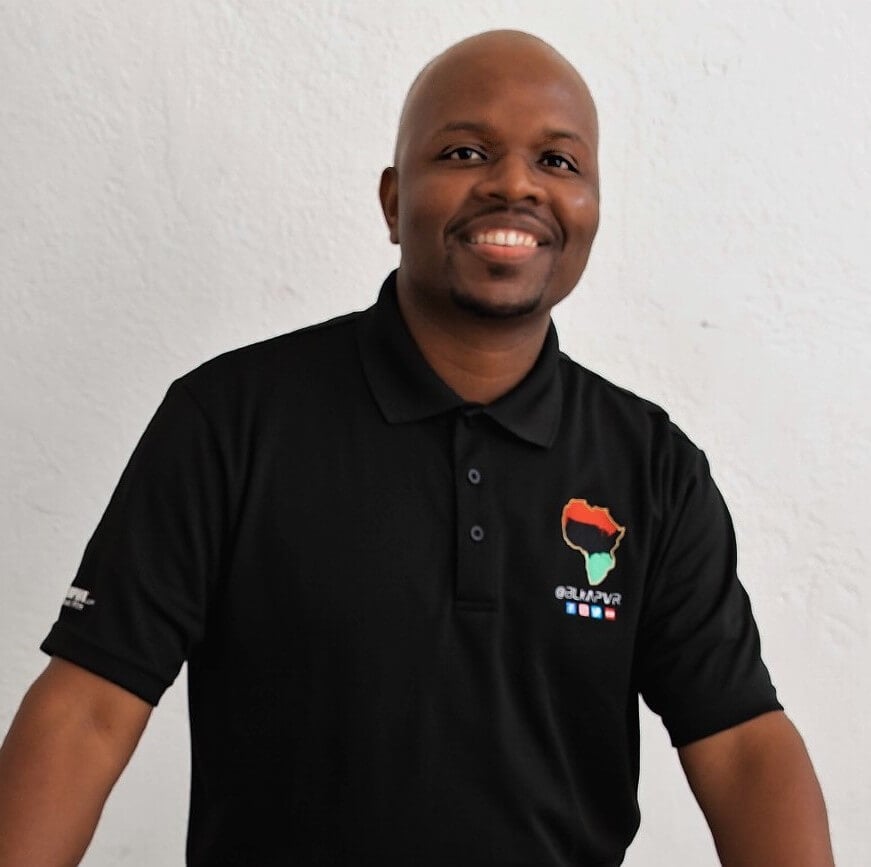
Christopher Price: Thank you very much for the opportunity to share on the platform today. I am joining you from White Plains, New York, a beautiful suburb about 30 minutes outside of New York City. We have been set up here for a few years and we absolutely love it.
Taryell: Nice. I was born in upstate Rochester, New York, raised in DC, and now I am out here in California. Shout out to your wife, Alison Price, for setting you up for Christmas with the new microphone and camera.
Christopher Price: That is right. Shout out to my wife, Alison Price, for hooking me up with the new microphone and camera. Everything is crystal clear and I appreciate it.
From Pharmaceutical Executive to Real Estate Investor
Taryell: I read your bio and saw that you went from being a pharmaceutical executive to real estate investing. Can you tell me about your background and what sparked your interest in real estate?
Christopher Price: Absolutely. I am on my own journey to financial freedom. By day, I am a pharmaceutical executive making an impact in the lives of patients by bringing them life-saving medications. By night, I am a real estate investor helping others build wealth through passive real estate investing. My wife and I followed the traditional playbook: go to school, get a good corporate job with benefits, a 401(k), and a pension. But in 2008, during the financial crisis, we watched our savings get wiped out. In 2006, we had bought our first condo with 100% financing at the height of the market. When we wanted to start our family around 2011 to 2012, we could not sell the condo without taking a loss. Instead of selling, we decided to turn it into a rental property.
Taryell: When did you buy your condo?
Christopher Price: We bought it in 2006. From 2012 to 2017, we rented it out easily because of its great location near the train station and amenities. After paying the mortgage and expenses, we collected a few hundred dollars a month in positive cash flow. Around 2018, we wanted more income stability and variety beyond our W-2 jobs. We researched franchises, listened to podcasts, read books, and discovered real estate investing.
Taryell: That is beautiful. My journey was similar. In California, we bought a condo, built equity, and refinanced to a 2% rate during the pandemic, making our mortgage cheaper than rent. That sparked my interest in passive real estate income. Can you explain passive real estate investing and how it builds wealth?
Understanding Multifamily Real Estate Syndications
Christopher Price: In 2018, I read Rich Dad Poor Dad and The Cash Flow Quadrant by Robert Kiyosaki, which shifted my mindset toward becoming a business owner and investor. Initially, I looked at turnkey single-family rentals, but my financial freedom calculations showed I would need too many homes and too much time. Then I learned about passive real estate syndications in commercial multifamily properties with 50 units or more. Syndications are essentially large-scale fix-and-flips. Operators acquire large apartment complexes, execute a business plan to renovate units, upgrade amenities, optimize operations, and raise rents to market value. Passive investors pool their capital into the deal and receive all the benefits of real estate without having to manage anything hands-on.
Taryell: Sitting down to calculate your financial freedom number is so vital. How do everyday investors access these syndication deals, and what is the typical minimum investment?
Christopher Price: Achieving financial freedom quickly allows you to live life on your own terms today rather than waiting until traditional retirement age. To access deals, I started networking at real estate meetups and investor conferences to connect with experienced operators. Typically, the minimum investment is around $50,000. For that investment, passive investors gain passive cash flow, substantial tax benefits such as depreciation and passive losses, principal paydown by residents, and property appreciation. On a typical three-to-five-year hold, the goal is often to double the initial investment through cash distributions and sale proceeds.
General Partners vs. Limited Partners
Taryell: You mentioned operators, syndicators, and passive investors. What are the key differences between these roles?
Christopher Price: In a real estate syndication, there are two primary roles: General Partners and Limited Partners. General Partners, or operators and syndicators, find the deals, underwrite them, raise capital, execute the business plan, oversee property management, and communicate with investors. Limited Partners are passive investors who provide the capital. Limited Partners are completely hands-off and rely on the General Partner's expertise. Because of that, passive investors must carefully vet operators: review their track record, past deal exits, performance against pro forma projections, and check references before investing.
Evaluating Opportunities and Taking Action
Taryell: What actionable advice do you have for someone earning a solid salary who wants to start investing in real estate?
Christopher Price: Start by educating yourself. Read books like Financial Freedom with Real Estate Investing by Michael Blank, listen to industry podcasts, and join local real estate investor meetups on Meetup.com. Network with operators, understand your preferred asset classes and target markets like Atlanta, Dallas, Houston, or Nashville, and get comfortable evaluating opportunities.
Red Fox Multifamily and Generational Wealth
Taryell: Tell us about Red Fox Multifamily and your current projects.
Christopher Price: At Red Fox Multifamily, we partner with premier operators across the country to bring vetted, passive commercial real estate opportunities to our investors. We recently closed on a 666-unit portfolio across three properties in Houston, Texas. Real estate has been an essential asset class for millennia and remains one of the greatest vehicles to build generational wealth. Listeners can visit our website to watch our free educational webinar under the learn section or connect with me directly on LinkedIn.
Taryell: Thank you, Chris, for sharing your incredible insights and servant leadership. All links will be included in the show notes. Remember to like, subscribe, and keep rising with Rise Urban Nation.