Introduction and Nigerian Roots
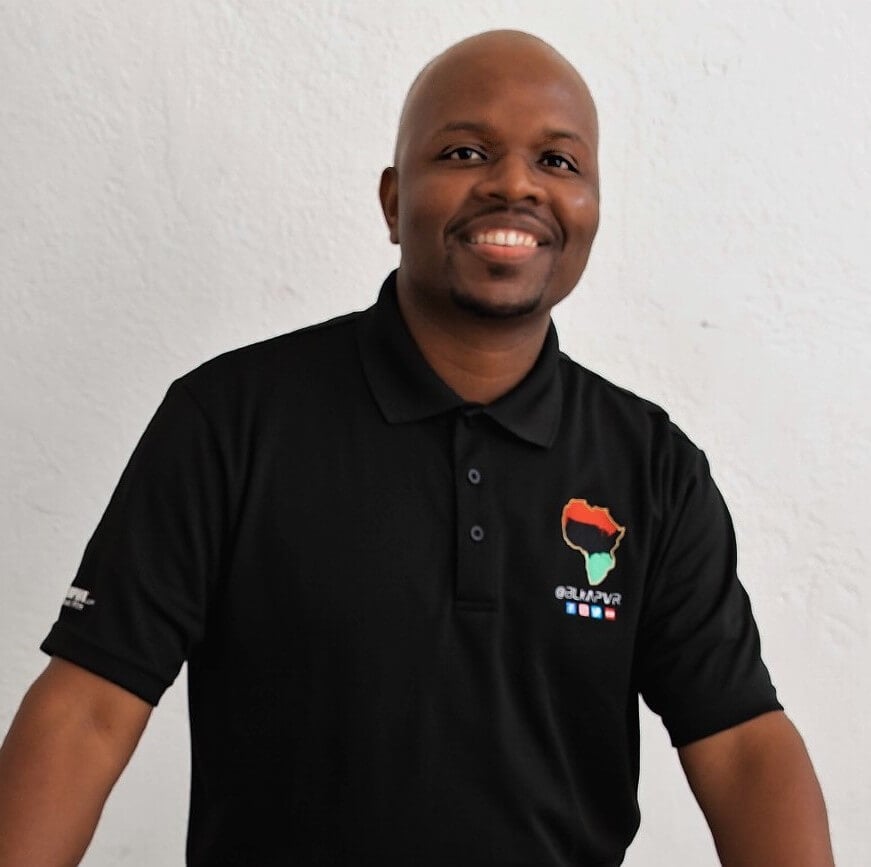
Taryell Simmons: Welcome to another episode of Rise Urban Nation. It's your host, Taryell, and we've got a special guest today. Shout out to my dear friends Rachel and Raul for connecting us with our brother, Anayo. For the people listening, what does your name mean? Nigerian names always have some meaning.
Anayo Nworjih: Growing up, they murdered my name. My dad made me wear the traditional outfits to school. He'd say, "You've got to represent," and I'm like, "Dad, this is not a good look." It was that pride of keeping the culture alive in a foreign place. My mom is from America and my dad is from Nigeria. Anayo means to beg Jehovah, or ask God. Now those outfits would be dope. Back then, they were throwing rocks.
Taryell Simmons: Same with me: my mom is American from New York and my dad is Nigerian. My Nigerian name is Adekunle, which means wealth is around you. We're cousins and didn't even know it. So, Anayo, who are you? Take that as far and as wide as you want.
Anayo Nworjih: The people you're around say a lot about you. Show me your five closest friends and that tells me a little about you. In one word, I'd say love. My intent, my vision, my ideas, the foundation is love. I'm an optimist. I look for the good in people and try to turn obstacles and adversity into opportunity, and not just for myself. There's more happiness in giving than in receiving. In a nutshell: family, friends, love, food, music, joy and good energy. They say the strongest vibration is truth, so I consider myself a truth speaker and a seeker.
Taryell Simmons: I love that. My one word is energy. People say my energy is infectious, and I like to use it to transform spaces and lives.
Anayo Nworjih: Thank you for creating this platform. It's off the cuff, authentic and original, and that is pure energy. Good energy never gets old. When you're humble, not pretentious and a little vulnerable, it opens doors to conversations we've been wanting to have but shy away from.
Loss, Rebuilding and Creating a New You
Taryell Simmons: Those conversations transform us. When you think back to a time you felt transformed, how did you change and why?
Anayo Nworjih: Let's get super real. I was married for 10 years to a beautiful Canadian woman, half Trinidadian and half Portuguese. I'm from Seattle, so we'd go to Vancouver, and we visited her family in Portugal. It was like a storybook. She had been through adversity early in life, but she never used it as an excuse to become negative. She was always optimistic. Long story short, she ended up homeless. We found out she had paranoid schizophrenia. The most important thing to me was her, and losing that, I felt like I lost half of myself. I had to figure out how to build back up and become whole.
Taryell Simmons: What did that rebuilding process look like?
Anayo Nworjih: It's very humbling. I don't tell anyone to get back to their old self. How about creating a new you? We're constantly evolving. For me that meant family, friends, more prayer, and knowing there's hope for a brighter day. It made me more creative and more empathetic. I met hundreds of homeless people, and they all had different stories. Those are people's daughters, sons and mothers. Some were business owners. One day you can have a lot, and tomorrow very little. As long as you stay balanced, humble and true to who you are, that's very powerful.
Taryell Simmons: That's wealth wisdom 101. It's not about the money. It's about true wealth in self and in relationships.
From the Bottom to Fashion for Philanthropy
Taryell Simmons: What came next? What did you find in yourself and start to create?
Anayo Nworjih: The good thing about being at the very bottom is there's nowhere to go but up. I was no longer afraid to be creative. I used to think, "This isn't as good as someone else's." What I learned is to give your best, put in 100%, and the people who are supposed to embrace it will. Nothing's for everyone. For the first time, I became okay with 100% of who I was. So I started a nonprofit to support women with mental illness who had been displaced or homeless, giving them food and the necessities to navigate life a little easier. I was inspired by my ex-wife. Bad things happen to good people. I was no longer in the dark, so I felt obligated to do something.
Taryell Simmons: What's the name of the nonprofit?
Anayo Nworjih: Fashion for Philanthropy, mainly in LA. We did that for a couple of years alongside a clothing line called Evol L'Amour, love backwards and love in French, made with love and inspired by love. Some of the proceeds went to the nonprofit. Since then, it's evolved into Cook Casa.
Art, Travel and the Dream Store
Taryell Simmons: For those just listening, my man is dapper, Black excellence dripping through the screen. Tell me the story of the art piece behind you.
Anayo Nworjih: On my first trip to Australia, two people I had never met offered me a restaurant job on my first day, and I took it. Australians love Bali, so we took a weekend trip, and walking the streets I fell in love with this piece. Her eyes seem so real, like she's looking at your soul. I kept it wrapped in paper for two or three years, then had it framed in Tijuana, which holds my heart for its art, food and music, and brought it back to Barrio Logan.
Taryell Simmons: If you could open a store, what would you sell?
Anayo Nworjih: It would be contemporary and minimal with splashes of color: a bookstore combined with a cocktail and wine shop. They'd pair a mezcal, gin or rum with a place like Jamaica, Bali or Peru, with records only on the speakers. I like creating memories, and that means being intentional: music, palate and visuals together for one experience.
Taryell Simmons: If you create that space, I'm there. VCs, hit my man up. And to answer your question, I'm a creative too. I used to draw and paint, but my Nigerian dad said, "You're going to study the books. This art is nonsense." My daughter is getting me back into it. This podcast is my artistry now, and I want to curate books about the people I interview, because this is future Black history. Who is capturing the history being made right now?
Anayo Nworjih: You're paving the path for your kids to express themselves, through music, art, writing or even cooking. You don't have to be a doctor or a lawyer. There are so many ways to be creative and make a living.
Inspiration and the Funding Gap
Taryell Simmons: Who inspires you most, and what qualities do they possess?
Anayo Nworjih: God, my mom and my dad. My parents are loving, hard workers, and both Black entrepreneurs. My father came over to attend the University of Washington with very little and paved the way for his whole family to come to the States. He looked out for more than himself, got up earlier and stayed up later, with a good mindset. My mom faced the obstacles of starting a business as a person of color. And God, the great architect, inspires me every day.
Taryell Simmons: Black women are the fastest-rising group of entrepreneurs but get the least venture investment. Why, and how do they keep the grit to succeed anyway?
Anayo Nworjih: It's real life. A recent study found that of 300 billion dollars invested over the last four years, 2% went to women-owned businesses and 1% to Black-owned businesses. You could have the most revolutionary idea ever and still face a 98% chance of not getting funded. The positive thing is they're starting to acknowledge it. We can't sweep it under the rug anymore. Techstars has a program called Rising Stars that invests in underrepresented founders, and Google, Amazon and Verizon have programs too. Some of these businesses have revenue and proof they can scale. When they do well, they create jobs and our communities grow. I'm talking to people at Techstars now, people with our complexion who've been through this adversity, helping make the call. As soon as we start talking about this, things will get better.
Taryell Simmons: That gets me geeked up. Village Up, a nonprofit I'm part of, supports underrepresented founders and maps the resources they need. Techstars and Google once reached out to me because they struggled to get Black and brown people to their startup weekends. So how do we co-create spaces where everybody belongs and has agency, not just standing on the wall to hit diversity numbers?
Being Present and How Cook Casa Works
Taryell Simmons: What do you get geeked out about?
Anayo Nworjih: Good energy: music, food, solving problems and the right people around me. Cook Casa is the most exciting project of my life, because it creates opportunity for countless people and lets them do what they love and get paid for it.
Taryell Simmons: I tell people all the time: don't chase the money, let the money chase you. When you work in the energy of what you love, you bring value nobody else can.
Anayo Nworjih: They say stress lives in the past or the future, so I'm working on being present. While you speak, I'm 100% listening, not planning what to say. Being present makes me more grateful, and being grateful makes you happier. We'll never have this moment back.
Taryell Simmons: So how does Cook Casa work its magic?
Anayo Nworjih: This generation is about experiences, not the bigger house or nicer car. In both our cultures, food is when we come together. Food is a passport to any culture. Cook Casa connects people who love to eat with people who love to cook by sending on-demand chefs to your location. No grocery shopping, no cooking, no cleaning. A dinner with family, a vacation rental, a boat, a picnic. We just signed with a private plane company. It's the Uber of chefs or the Airbnb of cooks: a sommelier, bartender, cook or baker at the push of a button.
Advice and the Future of Cook Casa
Taryell Simmons: What steps can listeners take to turn an idea into something real?
Anayo Nworjih: Your path doesn't have to look like anyone else's. Be effective and track your results. There are free Small Business Development Centers in every city, plus accelerators, grants, advisors and social media. But you have to do it. Don't wait for the perfect moment. If you're starting a clothing brand and only have a shirt, sell the shirt and learn your customers. Be honest, vulnerable and authentic, and impeccable with your word and your work. Ask, "Can you teach me?" instead of "Can you give me?" Have a business plan and a financial model, write it down, set goals and track your KPIs. That's how a hobby becomes a profession.
Taryell Simmons: Rise Urban Nation, catch that gem: ideas are a dime a dozen, but execution is everything. What's the future for your industry?
Anayo Nworjih: Health is wealth, and energy comes from the food we eat. Society makes crap food easy to get, so we have to be intentional. Cook Casa wants to make good food from any walk of life accessible at the push of a button. So far we've had 500 experiences with over 100 chefs in San Diego, LA and Orange County. Next we want San Francisco, Portland and Seattle, then Australia, Canada and Europe. Think of Turo: cars existed, they just made the connection easy. We've also partnered with culinary schools, so chefs in training can join the platform, which brings the price down for everyday people.
Taryell Simmons: Where can people find you, and what else are you working on?
Anayo Nworjih: Find us at cookcasa.com and on Instagram at Officialcookcasa. I'm also head designer for Aluna, which puts NFTs on clothing. Both are in the creative, fun space, and I'm blessed to stay up late and wake up early for projects I love. Thank you for this platform. The biggest chance is not taking one. I hope this inspires someone on the fence to make that change, or someone already doing it to keep going.
Taryell Simmons: Thank you, Rise Urban Nation. All the links will be in the show notes so you can connect with my brother Anayo. We'll catch you on the next one.